



Follow Kritica on Google
Add Kritica to your favourite sources.
Marjane Satrapi, scrittrice e regista, è morta a Parigi all’età di 56 anni. È stata una persona che è riuscita a strappare una parte dell’esperienza iraniana dalle mani dello Stato, della guerra, della propaganda, dell’orientalismo (lo sguardo che vede l’Oriente dall’esterno, attraverso cliché fissi) e della nostalgia dell’esilio, e a trasformarla in una storia.
I suoi cari hanno descritto la sua morte come un lutto seguito alla scomparsa del marito. Questa informazione ha sollevato una domanda solitamente tralasciata nelle vite di chi lotta: cosa fa la persona politica, la persona in esilio, la persona che resiste, con l’amore, la solitudine, il contatto fisico, la perdita e la stanchezza?
Stories from the Heart of Iranian Life
Marjane Satrapi è nata in Iran nel 1969. La sua childhood è stata legata alla rivoluzione del 1979, all’instaurazione della Repubblica Islamica, alla guerra Iran-Iraq e alla repressione politica. La sua famiglia era politicizzata. Ha visto da vicino come la grande Storia entri in casa, si sieda a tavola, si manifesti a scuola e per strada, controlli i corpi delle donne e cambi il linguaggio dei bambini.
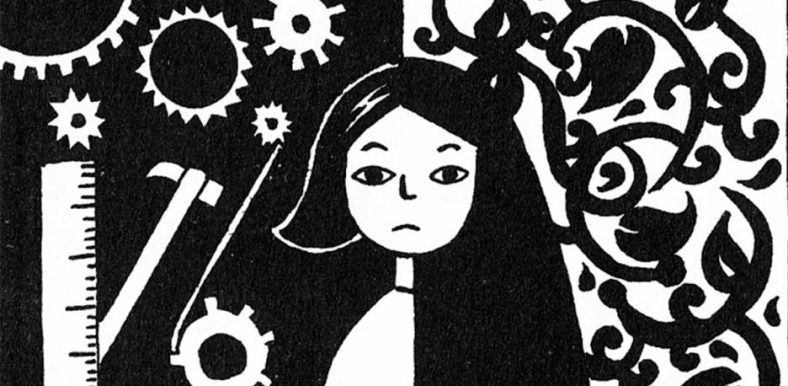
That is how Persepolis came to be. It tells the story of a young girl’s childhood and adolescence in Iran after the revolution. It draws on experiences of family, school, war, migration, return, repression, anger, and confusion. The work was first published in France and went on to become one of the most well-known graphic novels about Iran. The film adaptation of Persepolis won the Jury Prize at the Cannes Film Festival and was nominated for the Oscar for Best Animated Feature Film. That success transformed Satrapi from a writer and illustrator into a figure known around the world.
Né con gli occhi dello Stato, né dell’The West
What mattered in Persepolis was her perspective. Satrapi told the story of Iran neither through the eyes of the state, nor through the eyes of the Western media during wartime, nor through the orientalist gaze that understands Iran only through the veil, backwardness, violence, or mystery. She told the story of Iran through the journey of a little girl, a family, a woman’s body, a home, a school, and exile.
Sembra semplice, ma nella politica dell’immagine è una cosa enorme. Gli Stati e i media di solito cancellano l’essere umano. La Repubblica Islamica trasforma le persone in simboli. L’Occidente, ossessionato dalla sicurezza, trasforma le persone in una minaccia. I media da crisi trasformano le persone in vittime. Satrapi, con linee in bianco e nero, ha rimesso l’essere umano al centro.
Neither a saint nor the spokesperson for all Iranians
Marjane Satrapi is not immune to criticism and should not be turned into a superhero. One may disagree with certain aspects of her work, her language, her social stance, or her political choices. No artist is the absolute representative of a society. No personal story can stand in for millions of lives.
That is precisely what makes her work so important.
Satrapi was not the voice of all Iranians. Among millions of Iranian experiences, she recounted a specific one: the experience of a young woman from a politically active, urban family, belonging to a specific social class, as she grappled with the revolution, war, womanhood, migration, and exile. The strength of her work lay in translating this specific experience into a language in which many Iranians saw something of themselves—even if their lives were not exactly like hers—and which millions of people around the world also understood.
Satrapi’s contribution has been to turn her personal experiences into a public narrative, and then to use the influence she has gained to defend freedom, women’s rights, and the fight against executions in Iran.
Art Challenging Iran’s Official Image
Satrapi has explained on many occasions that one of the main goals of her work was to humanize the image of Iranians. In an interview with The Guardian, she spoke of a hidden racism in the West—a perspective that views Iranians as a people unworthy of human rights, or that seeks to understand Iran only through outdated, silent, and timeless images.
In another interview, she had said that the Iranian people do not speak for the ayatollahs, just as the American people did not speak for George Bush. That statement still holds true. Satrapi has taken the same stance that many of us still hold: she does not defend the state, nor does she accept the war-mongering image of Iran propagated by the West.
Questa posizione non è facile. Lo Stato vuole che tu stia dalla parte del governo contro l’Occidente, e una parte dell’Occidente vuole che tu, per essere accettato, trasformi il tuo stesso popolo nei suoi cliché preferiti. Nei momenti migliori del suo lavoro, Satrapi è sfuggita a questa trappola. Ha dimostrato che si può combattere sia il dispotismo religioso sia l’immagine razzista dell’Iran diffusa in Occidente.
From Persepolis to Woman, Life, Freedom
Satrapi didn’t stop where *Persepolis* left off. Embroideries and Chicken with Plums revealed another facet of her work. In Embroideries, the world of women, private conversations, the body, marriage, desire, and humor became central to the narrative. In Chicken with Plums, love, failure, art, death, and loss took center stage. In film, she moved from the adaptations of Persepolis and Chicken with Plums to films like The Voices and Radioactive.
In recent years, she has returned to Iran in a more direct capacity. As part of the Woman, Life, Freedom project, she has worked alongside other artists, writers, and researchers to document and explain the 2022 uprising. In a 2024 interview with The Guardian, she stated that Iranians outside the country should not dictate to those inside. In her own words, their role can only be that of a loudspeaker. This statement is significant. She avoided turning exile into a position of leadership. She portrayed exile as a position fraught with responsibility, distance, and limitations.
Satrapi è stata anche presente nelle campagne per i diritti umani contro le esecuzioni in Iran. Nel novembre 2024, insieme ad altre figure del movimento contro le esecuzioni in Iran, Shole Pakravan, Mina Ahadi e Ladan Bazargan, ha preso parte a uno sforzo collettivo per fermare le esecuzioni. Quella campagna ha cercato di riunire le voci delle famiglie in cerca di giustizia, delle attiviste per i diritti delle donne, delle organizzazioni di lavoratori e insegnanti, dei prigionieri politici e degli organismi per i diritti umani contro la macchina delle esecuzioni della Repubblica Islamica.
This part of her life is significant. Satrapi did not merely build a cultural reputation outside of Iran. She used the standing she earned through her art to exert political and humanitarian pressure. One may disagree with her, but there is no denying that she has used her name to give a voice to the oppressed.
The person behind the symbol
La notizia della sua morte ha avuto anche un altro risvolto. Secondo l’Agence France-Presse, le persone a lei vicine hanno attribuito la sua morte al dolore seguito alla scomparsa del marito, Mattias Ripa. Ripa era morto poco più di un anno prima. Questa descrizione va maneggiata con cura. Il dolore non va letto come un referto autoptico. Questo è il linguaggio della famiglia, il linguaggio del lutto, il linguaggio di chi ha visto come la perdita si insedia silenziosamente in una vita.
Questo stesso linguaggio del lutto rivela qualcosa che di solito viene cancellato dalla vita di chi combatte: l’amore, l’attaccamento, la fragilità e il bisogno della presenza di un altro. Vediamo persone che resistono come se non dovessero spezzarsi. La donna che combatte, l’artista in esilio, la voce globale, la critica del dispotismo. Tutti questi titoli fanno parte della Truth su Satrapi. Ma dietro di essi c’è un essere umano che ama, che perde, che piange e che, dopo una grande perdita, potrebbe non essere più in grado di tornare alla vita di prima.
We don’t see this side of things as often. We know how to talk about repression, prison, execution, and exile. We’re less able to acknowledge that the person who resists also needs love, companionship, and someone to stand by them when the world becomes too much to bear.
La politica non si svolge solo in strada, al confine e in guerra. A volte rimane nel corpo. Il corpo di chi ha vissuto per anni in uno stato di emergenza, il corpo del migrante, il corpo del rifugiato, il corpo di una donna che lavora e si prende cura degli altri allo stesso tempo, non è solo un corpo di desiderio. Il corpo è anche memoria. Un archivio di paure, umiliazioni, sospetti e sopravvivenze. Anche Satrapi ha combattuto tutta la sua vita contro Stati, confini, censura ed esilio, eppure l’assenza di una persona è riuscita a far crollare il suo mondo privato. Questa non è debolezza. Questo è essere umani.
The Death of an Artist and the Question of What It Means to Be Human
Con le sue linee in bianco e nero, Satrapi ha mostrato che la grande storia passa sempre attraverso le piccole vite delle persone. Attraverso la stanza di una casa, attraverso una nonna, attraverso un bambino, attraverso il corpo, attraverso la paura e attraverso l’amore.
Parliamo molto del rifugiato, dell’artista in esilio, dell’attivista politico e della donna che lotta, ma spesso li riduciamo a un ruolo. Il ruolo della vittima, il ruolo di chi sopporta, il ruolo del testimone, il ruolo del simbolo. Ci chiediamo meno spesso con cosa queste persone rimangano sole la notte, o come, dopo anni di vita sotto pressione, riescano ancora a fidarsi di qualcuno.
The best tribute to Marjane Satrapi is not to erect a statue of her. She herself opposed the transformation of human beings into symbols. The right thing to do is to continue doing what Persepolis did: to see human beings within the context of politics. To see the woman, the child, the migrant, the exile, the lover, the mourner, and the frightened person. To see what states, the media, and sometimes the movements themselves erase.
Una persona che ha vissuto per anni in uno stato di emergenza non ha bisogno solo di sicurezza fisica. Ha bisogno della possibilità di provare amicizia, contatto fisico, fiducia, silenzio e di avere una conversazione in cui non debba attraversare ogni volta le rovine della politica prima di poter arrivare a se stessa.
Per quasi trent’anni Satrapi ha raccontato l’Iran attraverso il percorso di una casa, una famiglia e un corpo. Continuare il suo lavoro significa mantenere lo stesso punto di vista: l’essere umano, prima del simbolo.
© Kritica – Riproduzione parziale consentita (non più di metà articolo) riportando la fonte e il link all’inizio.