



Follow Kritica on Google
Add Kritica to your favourite sources.
Per anni l’Europa ha parlato di diritti umani con quel linguaggio prudente e burocratico che spesso serve soprattutto a non prendere posizione davvero. Comunicati, “preoccupazioni”, richiami alla moderazione. Intanto però a Gaza si continuava a morire e il diritto International diventava ogni giorno un concetto più elastico, applicato con rigidità ad alcuni Stati e con infinita cautela ad altri.
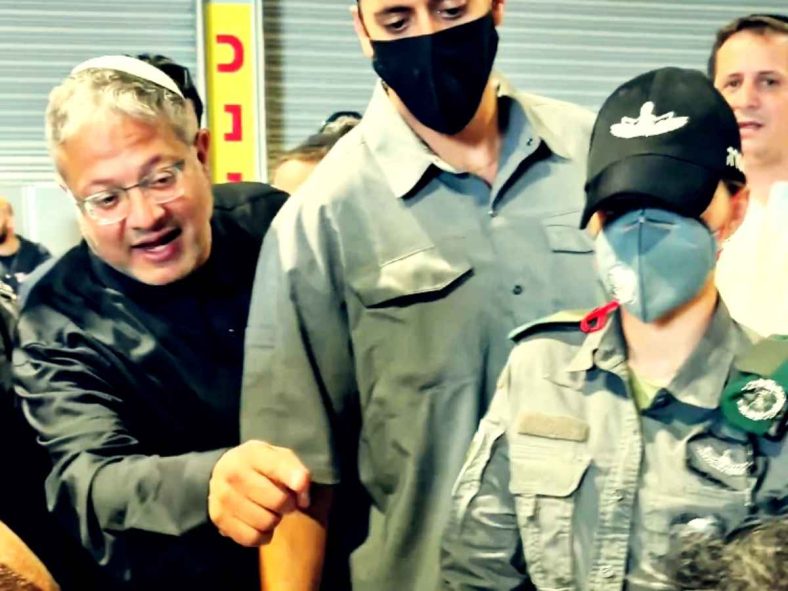
The Italian request to discuss sanctions against the Israeli minister Itamar Ben-Gvir nasce dentro questo clima. Non cambia improvvisamente la politica europea verso Israele, sarebbe ingenuo pensarlo, ma segna comunque una crepa. Perché fino a poco tempo fa colpire direttamente un ministro israeliano era quasi impensabile nel dibattito europeo.
Ed è interessante anche perché riporta al centro uno strumento poco conosciuto: that of European individual sanctions.
When sanctions are mentioned, one immediately imagines embargoes against entire countries, generalised economic blocks, collective punishments that often end up hitting the civilian population hardest.
Negli ultimi anni però l’Unione europea ha cercato almeno formalmente di spostarsi su un altro terreno: colpire persone precise, dirigenti politici, oligarchi, funzionari, generali. L’obiettivo, almeno sulla carta, è quello di evitare di scaricare il peso delle crisi sui popoli.
Dal punto di vista giuridico il meccanismo è abbastanza preciso. Le sanzioni europee vengono adottate nell’ambito della Politica estera e di sicurezza comune (Pesc) prevista dall’articolo 29 del Trattato sull’Unione europea.
Successivamente, quando servono misure economiche direttamente applicabili nei singoli Stati membri, interviene un regolamento fondato sull’articolo 215 del Trattato sul funzionamento dell’Unione europea.
È questo passaggio che rende operative le sanzioni per banche, aziende e cittadini europei.
In sostanza, il Consiglio dell’Unione europea decide all’unanimità di inserire una persona in una blacklist e da quel momento scattano conseguenze molto concrete: congelamento dei beni presenti nell’UE, divieto di ingresso o transito sul territorio europeo, impossibilità per soggetti europei di mettere fondi o risorse economiche a disposizione della persona sanzionata.
La si racconta spesso come una misura simbolica; non è così. Oggi il power passa anche dai conti bancari, dagli investimenti, dalla libertà di movimento, dalle relazioni economiche internazionali. Colpire questi aspetti significa colpire pezzi reali del potere politico. Si pensi, ad esempio, alle conseguenze che su Francesca Albanese hanno avuto le sanzioni statunitensi.
Anche nel caso dell’UE, non sono mancate le polemiche per aver utilizzato regimi sanzionatori in modi ritenuti arbitrari. Fra i casi più noti e clamorosi, quello del regime sanzionatorio imposto al giornalista tedesco di origine turca Hüseyin Doğru, privato della possibilità di accedere ai suoi conti correnti e di fatto intrappolato in una condizione di indigenza forzata e privazione della libertà.
Il confine fra l’uso delle sanzioni per punire le violazioni dei diritti umani, e l’uso delle sanzioni per infliggere abusi e violare i diritti umani dei singoli cittadini è molto sottile. La fragilità della distinzione offre forse anche una chiave di lettura sul perché di questa preferenza da parte delle istituzioni europee (e non solo) negli ultimi anni.
Ben Gvir and the European Magnitsky Act
Negli anni l’UE ha costruito diversi regimi sanzionatori. Uno dei più importanti è il cosiddetto “EU Global Human Rights Sanctions Regime”, approvato nel 2020 con il Regolamento 2020/1998, una specie di versione europea del Magnitsky Act americano: permette di sanzionare individui responsabili di gravi violazioni dei diritti umani indipendentemente dal Paese in cui si trovano. Ed è proprio questo il punto politicamente delicato del caso Ben-Gvir.
Per anni, infatti, l’Europa ha evitato accuratamente di prendere di mira figure centrali del governo Netanyahu. Critiche sì, richiami generici anche, ma sempre stando attenti a non oltrepassare una certa linea rossa. Ben-Gvir invece è diventato troppo ingombrante persino per molti governi occidentali tradizionalmente vicini a Israele.
Le sue dichiarazioni apertamente razziste contro i Palestinians, le posizioni ultranazionaliste, la gestione della repressione interna hanno reso sempre più difficile mantenere il solito equilibrio Diplomat.
Naturalmente, nessun governo europeo si muove solo per ragioni morali. Se oggi si discute di sanzioni contro un ministro israeliano è anche perchè in tutta Europa la pressione dell’opinione pubblica è cresciuta enormemente.
Manifestazioni, università occupate, proteste internazionali, campagne della società civile. La politica istituzionale arriva quasi sempre dopo, quando non riesce più a ignorare quello che succede fuori dai palazzi.
Resta poi tutta l’ipocrisia europea. Perché contro la Russia le sanzioni sono state immediate, durissime, rapidissime. Contro Israele invece ogni parola viene pesata per settimane, ogni misura discussa all’infinito, ogni decisione rallentata da equilibri politici e storici che sembrano valere più delle immagini che arrivano da Gaza. Ed è una doppia morale che ormai nel Sud globale vedono tutti. L’idea che il diritto internazionale valga molto quando a violarlo sono alcuni Stati e molto meno quando si tratta di allies occidentali sta distruggendo la credibilità politica dell’Europa fuori dal continente.
C’è poi un altro aspetto interessante. Le sanzioni individuali europee non sono teoricamente arbitrarie. Dopo i famosi casi Kadi davanti alla Corte di giustizia dell’Unione europea, le istituzioni europee sono state costrette a rafforzare le garanzie procedurali. Chi viene inserito in blacklist deve conoscere almeno in parte le motivazioni, può fare ricorso davanti ai giudici europei e contestare la legittimità delle misure.
Questo non rende il sistema neutrale o perfetto, ovviamente. La politica continua a decidere chi viene colpito e chi no. Però mostra anche come il diritto europeo abbia cercato di costruire un equilibrio tra sicurezza, politica estera e tutela minima dei diritti individuali.
Selective law
Il problema vero è che questo equilibrio viene applicato in modo profondamente diseguale. Ed è qui che emerge tutta la crisi morale dell’Occidente contemporaneo. Perchè se il diritto internazionale diventa selettivo, se i diritti umani valgono solo contro i nemici geopolitici e si attenuano davanti agli alleati, allora smettono di essere principi universali e diventano semplicemente strumenti di potere.
Questo non significa che eventuali sanzioni contro Ben-Gvir non sarebbero una svolta storica. Non fermerebbero la guerra, non cambierebbero da sole la situazione umanitaria e non cancellerebbero anni di complicità politica occidentale. Però romperebbero un tabù. Perché, per decenni, Israele è stato trattato come uno spazio quasi sottratto alle normali categorie della politica internazionale.
E invece il punto delle sanzioni individuali è proprio questo: dare un nome e un cognome alle responsabilità politiche.
Forse tutto questo arriva tardi. Sicuramente troppo tardi per migliaia di civili palestinesi. Però il fatto stesso che dentro le cancellerie europee si discuta apertamente della possibilità di sanzionare un ministro israeliano sarebbe stato quasi impensabile fino a pochi mesi fa. E già questo racconta quanto il quadro politico internazionale stia lentamente cambiando.
© Kritica – Riproduzione parziale consentita per non più di metà articolo, citando la fonte e inserendo il link all’inizio.