



Follow Kritica on Google
Add Kritica to your favourite sources.
A oltre un mese dall’inizio dell’operazione congiunta lanciata da United States e Israele contro l’Iran, il 28 febbraio scorso, i colloqui indiretti vanno avanti tramite la mediazione pakistana, ma gli attacchi aerei continuano senza sosta da entrambe le parti. In Iran sono stati attaccati siti nucleari come Natanz, infrastrutture militari, aree sensibili della capitale e della vita civile, come schools e università, e obiettivi legati al sistema energetico e difensivo. L’uccisione di Ali Khamenei ha aperto una crisi di successione, incanalata nell’ascesa del figlio, Mojtaba Khamenei, alla guida suprema. La rappresaglia di Tehran, invece, ha colpito Israele e una serie di installazioni militari statunitensi nel Golfo, estendendo il conflitto a Qatar, Bahrein, Kuwait, Emirati Arabi Uniti e Arabia Saudita. La guerra in Medio Oriente sta sconvolgendo anche il mercato energetico internazionale. Il prezzo del petrolio ha superato nei giorni scorsi la soglia dei 100 dollari al barile, il livello più alto dal 2022, l’anno dell’invasione russa dell’Ucraina. Intanto, lo Stretto di Hormuz resta di fatto chiuso da giorni al passaggio delle petroliere, e Teheran minaccia di colpire le navi che dovessero tentare di forzare il blocco. Stando ai dati ufficiali, finora la guerra è costata almost 2,000 civilian casualties. Tra queste, 240 sono women e 212 sono children. I feriti sono 25.000. Anche tra questi, molti sono bambini innocenti.
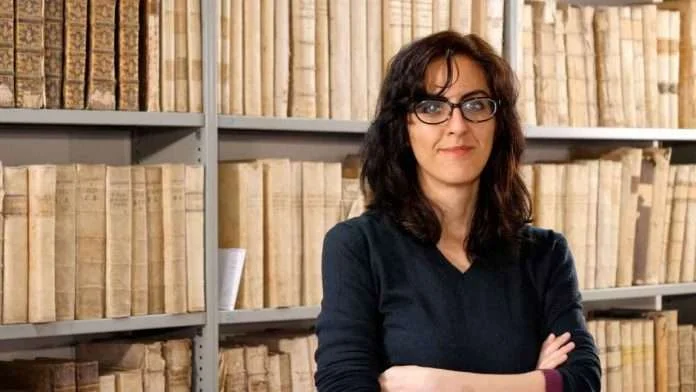
To try and shed light on the situation, we spoke to academic Minoo Mirshahvalad. Born and raised in Iran, she subsequently moved to Italy to pursue her university studies, earning a PhD in Sociology. Today, she specialises in the study of Islam and is a postdoctoral researcher at the University of Copenhagen.
Over time, what did it start to take a stance on regarding Iran?
As a woman, the issue of gender has become a fundamental theme for me. The positions I took in 2022 in support of the “Woman, Life, Freedom” movement stem from my experiences in Iran, where I directly witnessed a system in which women's rights were violated in many ways.
In addition to this, there is my university path. I studied in Iran, where I graduated before arriving in Italy in 2009. Then I continued up to my doctorate, and this journey has inevitably shaped my way of seeing things. There is also the migratory experience, because living in different countries gives you more tools to interpret politics and international relations.
My perspective, through this experience, has changed; it has become more aware. For years I maintained that the obligation of the veil was political exploitation by the Iranian state. Then, after the sacrifice of so many Giovanni and of many women, that obligation has been removed and women can finally go out without a veil.
From your perspective as a scholar, what is the explanation for the fact that interpretations of Iran, both from within the country and from abroad, are often very one-sided?
Per capire l’Iran si deve iniziare a considerare la condizione di isolamento politico molto forte in cui il Paese si trova. Le sanzioni hanno limitato anche la possibilità di viaggiare e il turismo è rimasto circoscritto, nonostante il Paese abbia un patrimonio enorme tra siti archeologici, musei e paesaggi. Questo isolamento ha avuto conseguenze, anche sul modo in cui le persone leggono ciò che accade nel mondo. Per questo motivo, la conoscenza della geopolitica resta spesso parziale. A questo si aggiunge il ruolo dei media in lingua persiana prodotti all’estero, in Paesi come Israele, Stati Uniti, United Kingdom e Arabia Saudita. Sono canali che offrono una certa interpretazione della realtà, che diventa dominante soprattutto tra chi non legge altre lingue. È un limite importante, perché riduce la possibilità di confrontarsi con fonti diverse e finisce per restringere lo sguardo. La situazione è analoga dentro l’Iran e fuori dal Paese, perché nella diaspora vedo una difficoltà simile. Molti si informano quasi esclusivamente attraverso i media principali, entrano poco in contatto con fonti alternative e finiscono per avere una visione spesso influenzata da narrazioni dominanti di matrice occidentale, statunitense in particolare.
In recent years, the distance between those seeking internal reforms within the system and those who want a radical overthrow of the regime seems to have widened. The gap has particularly widened with the unexpected return of Pahlavi to the scene, a self-proclaimed heir to the throne who has been presented, both in Iran and in the diaspora, as a sort of saviour. A very clear polarisation has formed around him, between those who align with this figure and those who reject her, with the result that those who reject her are often labelled as traitors to the Iranian cause. The polarisation has gone so far as to strain personal relationships. People who were friends for years have stopped speaking to each other, and deep rifts have even formed within families, with opposing positions that struggle to engage in dialogue. Groups have formed that oppose each other with increasing harshness.
Pahlavi's prominence has also been built thanks to the strong media support he enjoys. In recent years, he has been to Tel Aviv several times, where he paid homage to Netanyahu, and around these trips, coverage developed that greatly amplified his image, especially through channels funded by Israel. Let's not overlook the role of social media, with many fake accounts contributing to giving visibility and a voice to this figure. Thus, even without any real consultation process in Iran, the idea has spread that Pahlavi is the natural choice for the country's future.
He also spoke of tensions within the Iranian diaspora. How much does this division influence the way Iran is portrayed abroad today?
It has a huge impact. The mainstream media give almost exclusive space to Pahlavi's supporters, and the image of Iran and the opposition that reaches the outside world is mediated by this selection, while other voices remain in the background. My position is also based on direct experience. In Italy, I have never been invited by the mainstream media, because there is a clear line on what must be reported and on who can represent the Iranian opposition. Even among the supporters of this figure, there is often a very harsh attitude, and those who do not accept Pahlavi as an option for the future are excluded or silenced, making it even more difficult to build a pluralistic narrative of Iran outside the country.
So, is there a gap between what's happening in Iran and how it's being reported?
Sì, la distanza c’è e negli ultimi tempi si è vista ancora di più. In Iran, soprattutto dopo gli ultimi sviluppi, molte persone che inizialmente avevano sostenuto o anche solo auspicato un intervento esterno adesso hanno cambiato idea. C’era l’illusione che un’azione guidata da Trump potesse aiutare la popolazione iraniana. Poi però si sono viste le conseguenze, decine di migliaia di infrastrutture civili colpite e oltre 2.000 morti, di cui circa 200 bambini. Davanti a questi numeri è diventato chiaro che non si trattava di un intervento per il bene degli iraniani o per portare democrazia. Tutto ciò ha prodotto uno spostamento anche dentro il Paese; persone che prima erano favorevoli alla guerra hanno rivisto la propria posizione. La settimana scorsa parlavo con qualcuno che mi diceva che anche chi era ateo o chi era contro il regime iraniano oggi sostiene che, se arrivassero truppe sul suolo iraniano, si schiererebbe comunque a difesa del Paese e combatterebbe come un soldato. È un effetto di ricompattamento più che comprensibile. In condizioni di guerra la popolazione tende a unirsi contro un nemico esterno, ed è qualcosa che si è visto molte volte.
How are international media influencing the perception of Iran?
In Europa si è dato molto spazio a posizioni apertamente favorevoli alla guerra, mentre l’influenza dei media resta fortissima anche dentro l’Iran e arriva in gran parte dall’esterno”. Esistono anche attori stranieri che parlano direttamente al pubblico iraniano. L’IDF, per esempio, ha creato canali Telegram pensati proprio per utenti iraniani e persianofoni, e poi ci sono emittenti come Iran International, Voice of America in persiano e la BBC persiana, che nel Regno Unito è a pagamento ma da anni trasmette gratuitamente in lingua persiana proprio per raggiungere gli iraniani.
The media have spread a very stark representation, divided between those who are on the right side and those who are not, a polarised reading that has had a strong impact. The result is that a part of the Iranian population has internalised this vision and has ended up opposing everything associated with the Iranian state, regardless of merit, in some cases even openly supporting Israel because it is perceived as the only possible point of reference for those who oppose the regime.
We all know how important the role of the media is, especially in how they choose what to give prominence to and what not to, how they order the news, what significance they give to headlines, whether a story is put front and centre or relegated to the back page. For example, when Iranians are killed by the Iranian state, the mainstream media in Italy tend to portray them as human beings. They publish close-up images, show their faces, their eyes, and as many details as possible. When, however, it concerns Iranians killed by Israel or the United States, the narrative changes, he explains. Those people become numbers, and with numbers, it's difficult to create empathy.
So, depending on who kills them, Iranians are represented as individuals or treated as numbers. A clear line is drawn as to when to humanise them and when to dehumanise them.
You have repeatedly spoken of a “hybrid war” conducted against Iran, also referring to how the media and propaganda in general pollute the narrative about the country. What is meant by this term?
By this term, I mean a war that is developing on two fronts and which, in Iran's case, has been ongoing since 1979, the year of the Iranian Revolution, when mass protests against Shah Mohammad Reza Pahlavi led to the end of the monarchy and the birth of the Islamic Republic, led by Khomeini.
Da allora, l’Iran si è ritrovato in un sistema di guerra che è sia una guerra mediatica, e passa attraverso tutti quegli strumenti di cui parlavamo, le emittenti in lingua persiana che nel tempo hanno costruito una visione molto netta, divisa tra buoni e cattivi; e sia di guerra militare, quella combattuta con le armi, che oggi vediamo in modo più diretto. La guerra mediatica ha lavorato per decenni, ha preparato il terreno, ha reso possibile quello che oggi avviene anche sul piano militare. È per questo che parlo di guerra ibrida contro l’Iran”.
Che effetto sta producendo la pressione esterna sulla società iraniana?
As long as the external pressure in the form of sanctions, with the collaboration of media designed to brainwash Iranians, led economic poverty to be attributed entirely to the mismanagement of’Economy da parte dello Stato iraniano o alla corruzione, piuttosto che al peso delle sanzioni economiche, così da aumentare il malcontento popolare. Se invece guardiamo alla guerra in corso oggi, dice che gli effetti cambiano. Crescono paura e senso di assedio, un clima di paura persistente nella vita di tutti i giorni. Nel frattempo si rafforza la militarizzazione della società, perché in una situazione di guerra il margine d’azione per la diplomazia si riduce e tutto tende a spostarsi sul piano militare.
Oggi quello dell’Iran può essere considerato un potere soprattutto militare: tutto è nelle mani dei Pasdaran, il corpo dei guardiani della rivoluzione.
In my opinion, where should a transformation of the country begin?
At the moment, we cannot speak of a transformation, because everything is still in flux and the future of Iran remains very unpredictable. However, if we imagine, in ideal terms, a possible change, it should arise from within society, from the grassroots, and certainly not from an external military intervention like the one we see today, which primarily causes the destruction of civil society.
Attualmente, in Iran non esiste un’opzione condivisa sul modo in cui superare il sistema attuale. Non c’è nemmeno la possibilità di verificarlo, perché non viene dato spazio a un referendum che permetterebbe di capire quale direzione raccolga più consenso tra la popolazione. È particolarmente grave e significativo che gli stessi iraniani che hanno sostenuto la guerra sperando che da essa originasse la caduta del regime non si sono interrogati su cosa dovrebbe venire dopo l’attuale sistema; e oggi anche per loro non esiste un’alternativa davvero credibile e chiara.
This is the condition of a people trapped in a devastating paradox, forced to witness the attack of a hated internal oppressor, a regime under which one can die for futile and senseless reasons, and at the same time to suffer the aggression of an equally detested external enemy. Because it is impossible to imagine a place on Earth where the population would willingly accept an external attack on their own country.
2 Comments
Pingback: Gassid Mohammed, “The foreigner seen as a being without history"
Pingback: What does the war in Iran mean for workers - Critique